

You’ve seen the runway clips. Wings, glitter, abs that look airbrushed even in 4K. And then your brain does the thing it always does: “What on earth do these women eat?”
Short answer? Food. Real food. A lot more of it than the tabloids ever admitted. The Victoria’s Secret diet myth (nine days of liquid, powdered egg whites, zero carbs forever) fell apart years ago, and the models themselves pulled it apart. What replaced it turns out to be genuinely useful for regular humans like you and me.
I’ve spent years reading nutrition research, coaching people through meal plans, and watching clients wreck their energy levels chasing runway abs. So here’s the real VS model meal plan, separated from the internet’s fever dream.
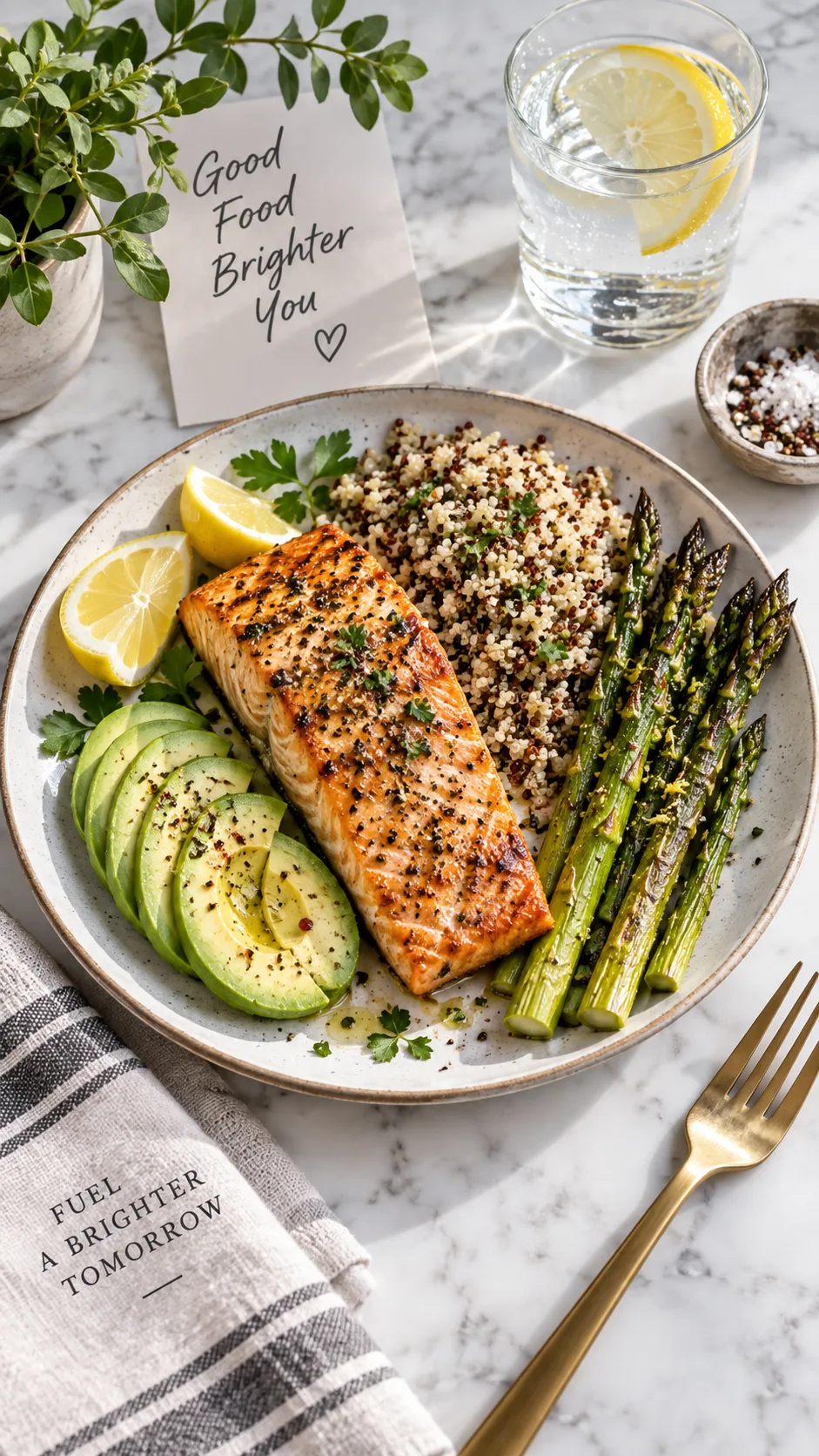
The myth that refuses to die
The infamous “9-day liquid diet” story came from ONE model, once, before ONE show. The press ran with it like it was company policy. It wasn’t.
Adriana Lima’s 2011 interview about liquid-only prep got quoted for a decade straight. She later walked it back. Meanwhile, models like Candice Swanepoel, Elsa Hosk, and Sara Sampaio have all said the same thing in public: they eat, they lift, and they don’t starve.
Here’s the part nobody wants to hear. These women are genetic outliers who train like semi-pro athletes and get paid to maintain a body. That’s their job. Your job probably doesn’t come with a nutritionist on speed dial, and that difference changes everything about how you should read the rest of this.
What the tabloids got wrong
- Myth: Models eat 800 calories a day. Reality: Most report 1,600 to 2,300, depending on training load.
- Myth: Carbs are banned. Reality: Sweet potato, oats, quinoa and rice show up constantly.
- Myth: They never eat dessert. Reality: Post-show pizza is practically a tradition.
- Myth: It’s all about cardio. Reality: Heavy resistance training runs the show now.
The core structure of the Victoria’s Secret meal plan
Strip away the glamour and you get a shockingly boring template. Boring works. That’s the whole point.
The plan leans on high protein, moderate healthy fats, carbs placed around training, and an absurd amount of vegetables. Models eat roughly every three or four hours to keep energy stable through 12-hour shoot days.
The daily macro breakdown (approximate)
- Protein: 30 to 35% of calories. Roughly 1.6 to 2.2g per kg of bodyweight, right in line with what the International Society of Sports Nutrition recommends for athletes protecting lean mass.
- Carbs: 35 to 40%. Timed around training. Not eliminated. Never eliminated.
- Fats: 25 to 30%. Avocado, olive oil, nuts, oily fish. Hormones need fat, and hormones run everything.
- Fibre: 25 to 35g. Vegetables at nearly every meal, plus berries.
- Water: 3+ litres. Boring advice, undefeated results.
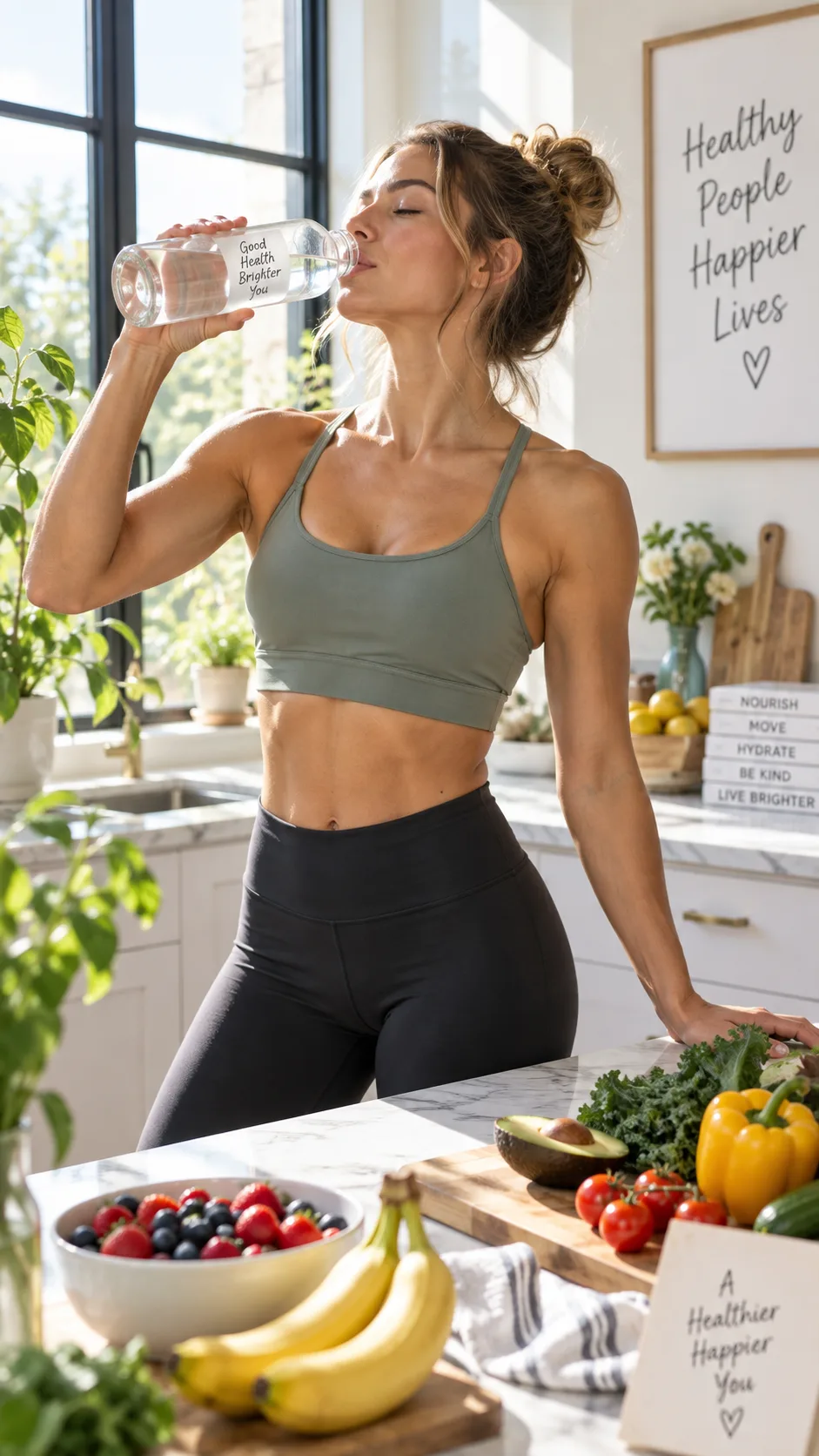
A realistic day of eating (the one they really follow)
I pulled this from interviews with VS models and their trainers, then sanded off the “I only drink celery juice” nonsense. This is what a training-day plate genuinely looks like.
Breakfast: the protein anchor
Nobody’s skipping breakfast here. Elsa Hosk has talked about eggs and avocado toast. Candice Swanepoel goes for oatmeal with berries.
- 3 eggs (whole, because yolks are not the enemy) scrambled with spinach
- 1 slice sourdough or rye toast with half an avocado
- Black coffee or green tea
- Or: Greek yoghurt + berries + a spoon of almond butter + chia seeds
Why this works: protein early blunts the mid-morning snack spiral. Ever noticed how a bagel breakfast leaves you rummaging through the office kitchen by 10:30? That’s not weak willpower. That’s blood sugar.
Mid-morning snack
- A handful of almonds (about 20) and an apple
- Or a protein shake with water and half a banana
Lunch: big salad, but make it substantial
The “model salad” joke exists for a reason, but the real version isn’t sad lettuce in a plastic box.
- 150 to 200g grilled chicken, salmon, or tofu
- Large mixed greens base of rocket, spinach, kale
- ½ cup quinoa or brown rice
- Cucumber, tomato, red onion, roasted peppers
- Olive oil + lemon dressing (not the creamy stuff drowning in sugar)
Afternoon snack
- Hummus with carrot and cucumber sticks
- Or hard-boiled eggs and a few olives
- Or a square or two of 85% dark chocolate, yes, really
Dinner: protein, veg, and a bit of starch
- Baked salmon or lean steak (150 to 200g)
- Roasted sweet potato or a fist of rice
- Steamed broccoli, green beans, or asparagus with garlic and olive oil
Notice what’s missing? Nothing weird. No detox tea. No cabbage soup. Just a plate your grandmother would recognise.
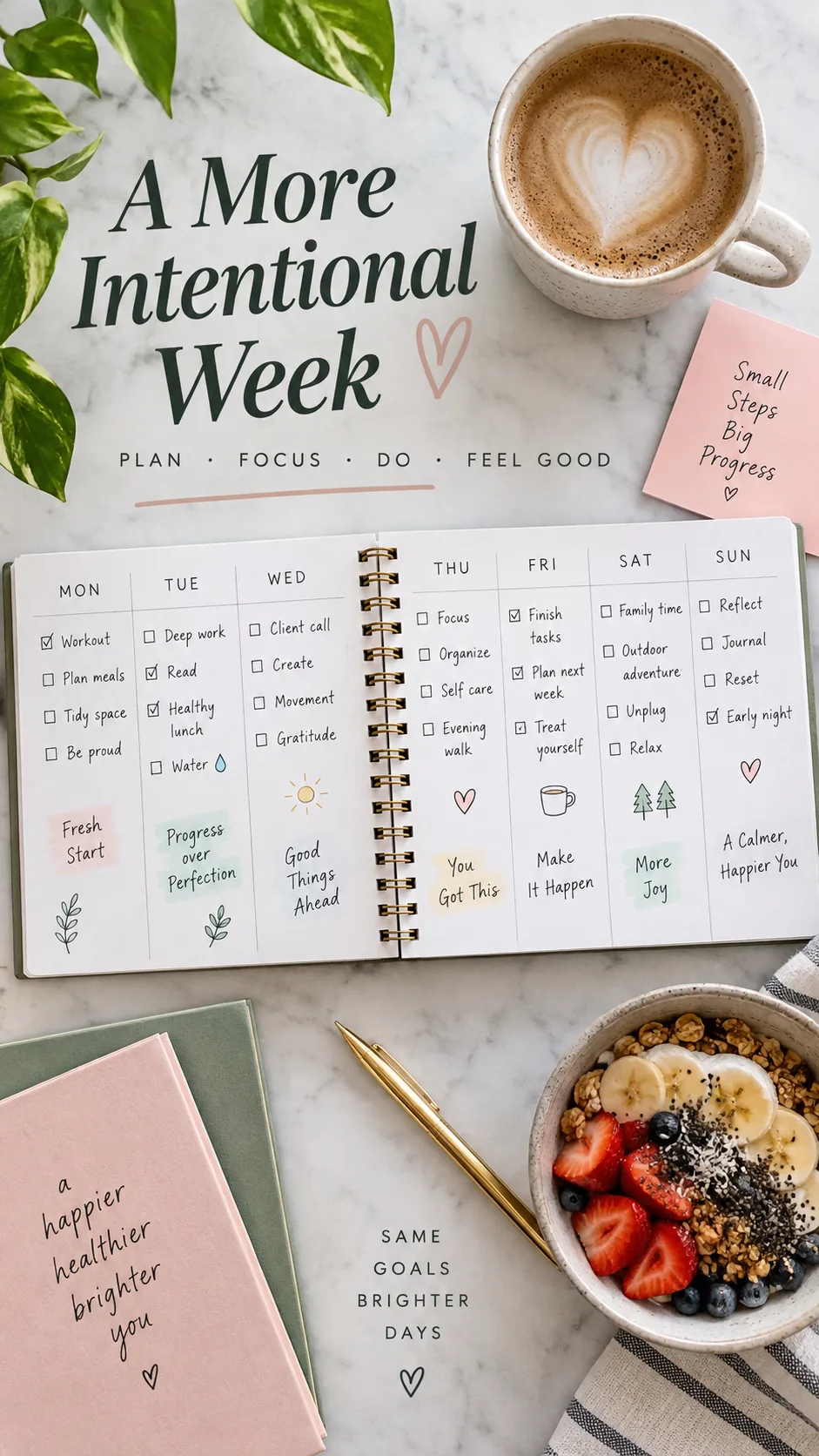
What they skip (this part matters more than you think)
The meal plan gets all the attention. The skip list is where the results hide.
1. Liquid calories
Fruit juice, sweetened lattes, cocktails, “healthy” smoothie-bar concoctions packing 60g of sugar. Models cut these hard because they deliver zero fullness for serious calories. If you want the full breakdown on which drinks quietly sabotage progress, I’ve covered the worst offenders in 4 drinks never to drink if you want to lose weight.
2. Ultra-processed snacks
Crisps, biscuits, protein bars that taste like candy bars because they basically are. The NIH’s landmark 2019 controlled trial found people ate around 500 extra calories per day on an ultra-processed diet compared with a whole-food one, with identical macros available. Five hundred. Per day. Without noticing.
3. Alcohol (mostly)
Most models drop it entirely in the four to six weeks before a show. It carries 7 calories per gram, it wrecks sleep quality, and it suppresses protein synthesis. Sara Sampaio has been candid about cutting wine during prep and bringing it straight back after. Relatable.
4. Excessive sodium right before shoots
This one’s cosmetic, not health-related. High sodium holds water under the skin. Models dial it down for a few days pre-shoot to look tighter on camera. This is a photography trick, not a fat-loss strategy. Please don’t build your life around it.
5. Eating on autopilot
No standing over the sink demolishing leftovers. They plan meals, prep them, and eat them sitting down. Sounds precious? It’s the habit on this list that pays the biggest dividends.
The training half nobody mentions
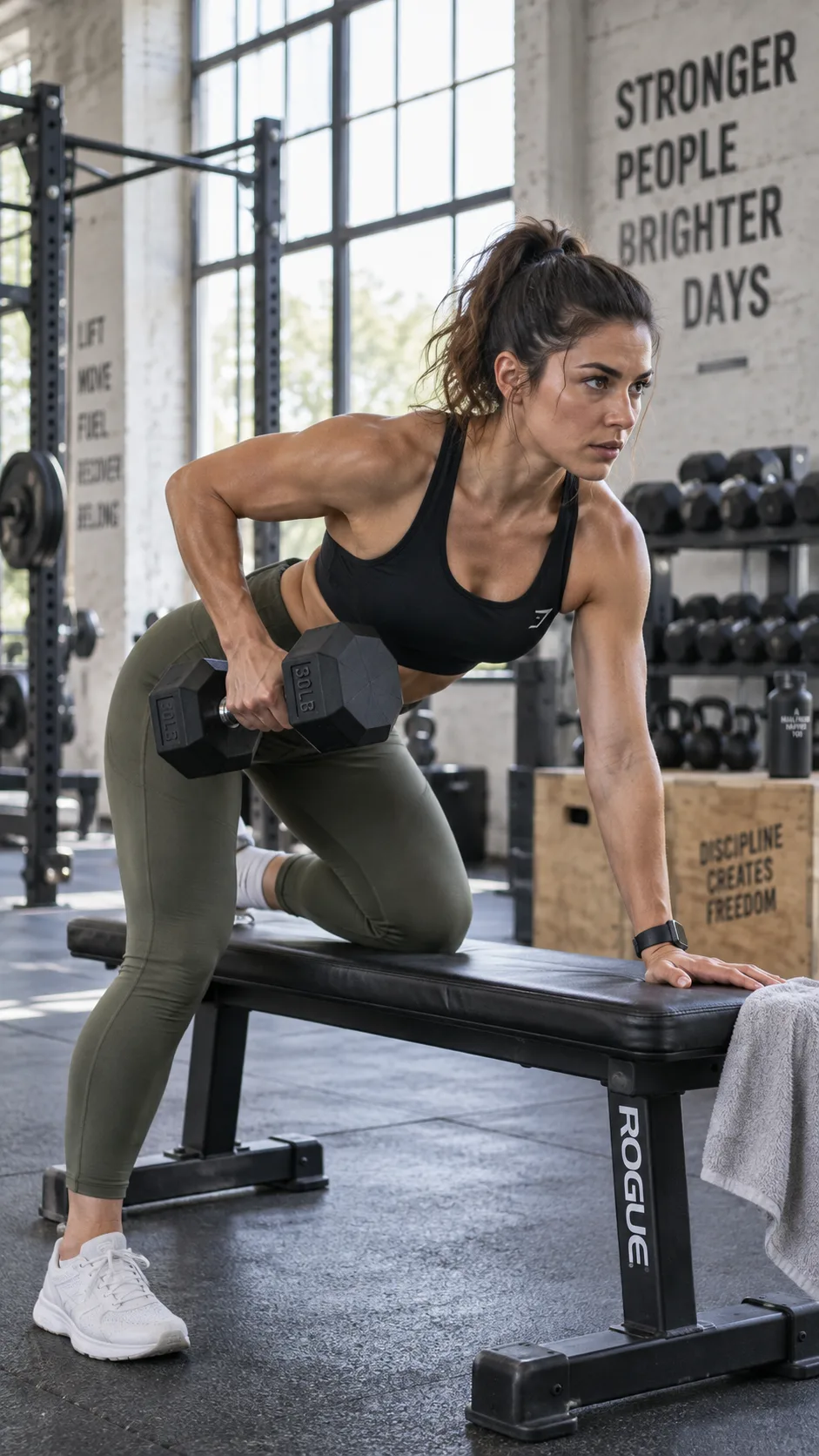
Here’s where the “Victoria’s Secret diet” framing falls apart. The diet is maybe 50% of it. The other half is heavy, consistent resistance training.
Justin Gelband and Michael Olajide Jr., two trainers who worked with multiple VS models, built programmes around boxing, resistance bands, and progressive strength work. Not two-hour treadmill sessions.
The typical weekly split
- Three or four days of resistance training, either full body or an upper/lower split
- 2 days boxing or dance cardio, high intensity and short
- 1 to 2 days Pilates or yoga for mobility and core control
- 1 full rest day, non-negotiable, and the one most people ignore
If you’re starting from scratch, don’t copy a model’s six-day schedule. Build the base first. A solid full body workout plan three days a week beats a fancy split you abandon by week two. And if lifting heavy still feels intimidating, this guide on building muscle for women clears up the fears that keep most people on the cardio machines forever.
How to adapt this for a real human life
You don’t have a chef. You don’t have four hours a day. You have a job, a commute, and possibly children who consider broccoli a personal insult. So here’s the workable version.
Step 1: find your real calorie number
Copying a 5’10” model’s intake when you’re 5’4″ and desk-bound is a fast route to feeling awful. Work out your maintenance first with a BMR calculator, then subtract 300 to 500 calories if fat loss is the goal. Not 1,000. Not “as little as possible.”
Step 2: hit protein first, everything else second
Protein does the most work of any macro. It keeps you full, protects muscle in a deficit, and costs your body energy just to digest. Aim for 25 to 40g per meal.
Step 3: build plates, not recipes
- Half the plate: non-starchy vegetables
- Quarter: protein (palm-sized portion)
- Quarter: carbs (fist-sized)
- Thumb of fat: olive oil, avocado, nuts
No weighing. No app. Just a plate and a rough sense of proportion. The Harvard Healthy Eating Plate uses almost exactly this framework, and researchers have picked over it for years.
Step 4: prep two things, not twelve
Sunday meal prep collapses when people try to batch-cook seven days of five different dishes. Cook one protein and one carb in bulk. Rotate the vegetables and sauces during the week. That’s it.
Step 5: keep one meal fully off-plan
Every single model I’ve read about does this. Post-show pizza, Sunday pasta, whatever. Restriction without release creates binges. Plan the release.
Common mistakes people make copying this plan
I’ve watched these happen over and over. Learn from other people’s misery, it’s cheaper.
- Slashing calories to model-prep levels year-round. Models peak for a few weeks. They don’t live there. Chronic under-eating tanks thyroid output, energy, and mood.
- Cutting carbs entirely. Your brain and your lifts both run on glucose. Cut them and your gym sessions turn into slow-motion sadness.
- Doing endless cardio. More cardio without more protein and lifting means you lose muscle alongside fat. You end up smaller but softer. Not the goal.
- Ignoring sleep. Poor sleep raises ghrelin and drops leptin. You’ll feel hungrier on 5 hours than 8, guaranteed.
- Expecting genetics to change. Blunt truth: you can get lean, strong, and healthy. You can’t get taller. Making peace with that is half the battle.
Does the Victoria’s Secret diet work?
For fat loss and muscle retention? Yes, because underneath the branding it’s a high-protein, whole-food, calorie-controlled diet paired with resistance training. That combination has decades of research behind it.
The “Victoria’s Secret” part is marketing. The principles match what a registered dietitian would hand you for free. I find that reassuring, and you might too.
Where it fails is when people chase the aesthetic instead of the habits. If you’re eating 1,100 calories and hating your reflection, the plan isn’t working. It’s just hurting you quietly. The Academy of Nutrition and Dietetics is a solid starting point if you want personalised guidance from someone qualified.
Who this plan suits
- People who already train and want a structured, protein-forward eating template
- Anyone tired of extreme diets and ready for something sustainable
- Those who like routine and can handle repetitive meals
Who should skip it
- Anyone with a history of disordered eating, since the rigidity is risky
- Pregnant or breastfeeding women without medical supervision
- People looking for a quick fix (there isn’t one, sorry)
If bloating rather than body fat is your real issue, the fix looks completely different. This breakdown of flat stomach diet plan mistakes tackles that specific problem far better than any model meal plan will.
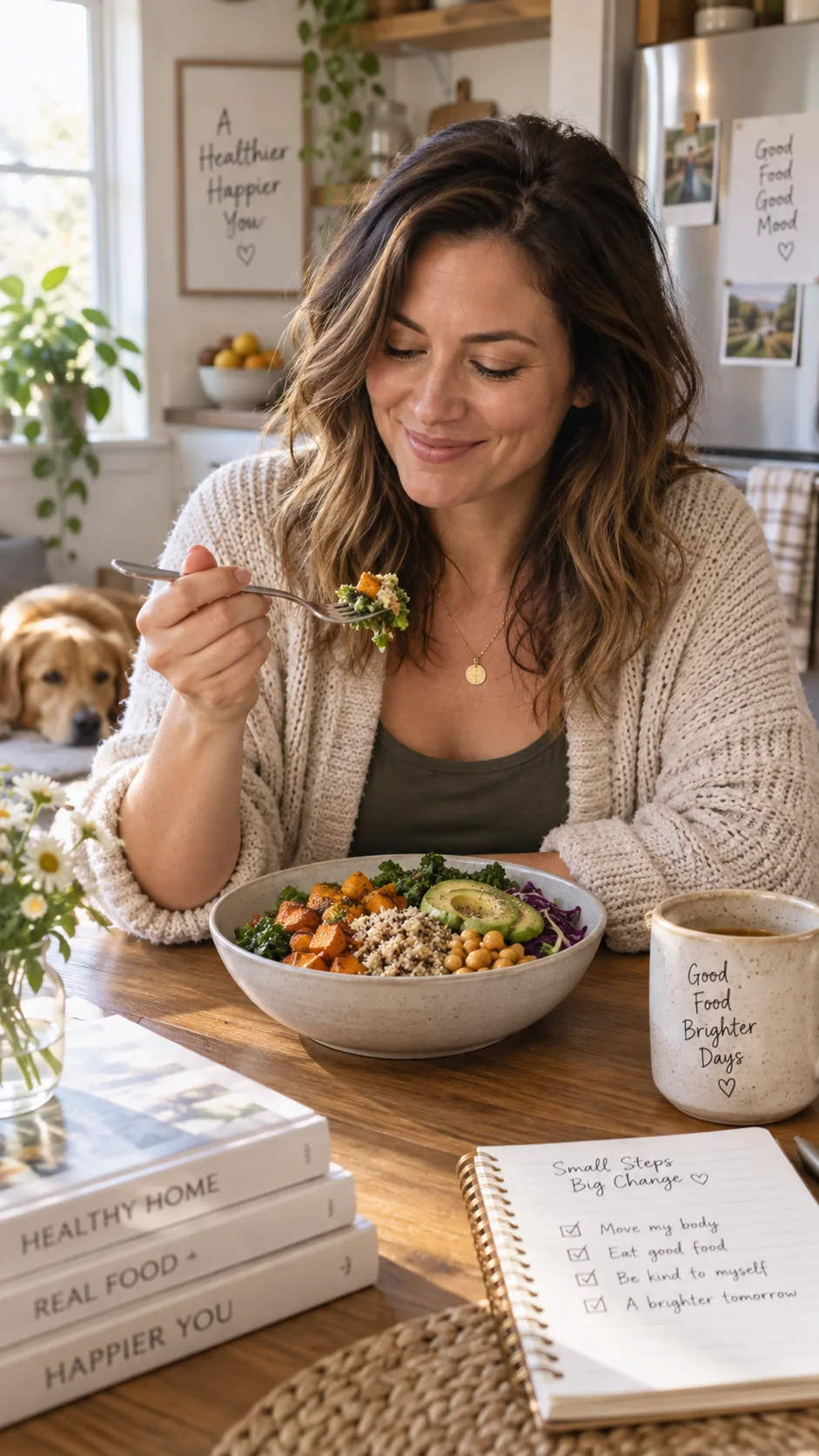
A 3-day sample menu you can start tomorrow
Day 1
- Breakfast: 3-egg omelette, spinach, feta, 1 slice rye toast
- Snack: Greek yoghurt with blueberries
- Lunch: Grilled chicken quinoa bowl, roasted veg, tahini drizzle
- Snack: Apple + 20 almonds
- Dinner: Baked salmon, sweet potato, steamed broccoli
Day 2
- Breakfast: Overnight oats, chia, banana, whey protein
- Snack: Boiled eggs + cherry tomatoes
- Lunch: Tuna and white bean salad, rocket, olive oil, lemon
- Snack: Hummus + veg sticks
- Dinner: Lean steak stir-fry, brown rice, mixed peppers
Day 3
- Breakfast: Protein smoothie with spinach, berries, almond butter, protein powder
- Snack: Cottage cheese + pineapple
- Lunch: Turkey and avocado wrap, side salad
- Snack: Dark chocolate square + green tea
- Dinner: Prawn and courgette pasta, olive oil, garlic, parmesan
That lands somewhere around 1,700 to 2,000 calories depending on portions. Push it up if you train hard, pull it down if you sit all day. Simple.
The bottom line
The Victoria’s Secret diet meal plan isn’t a secret and it isn’t magic. It’s protein at every meal, vegetables in volume, carbs timed around training, minimal liquid calories, and consistent lifting. The models have said as much for years. We just preferred the drama.
What they skip matters just as much as what they eat: juice, ultra-processed snacks, nightly wine, and mindless grazing. Avoiding any of that costs nothing.
Steal the structure, ignore the aesthetic pressure. Build a body that performs well and feels good, and let the mirror catch up on its own schedule.
Start tomorrow with one change: hit 30g of protein at breakfast. That’s it. Do that for two weeks and tell me your afternoon cravings haven’t quietly disappeared. Deal?