

You made a big batch of pasta on Sunday, felt like a meal prep champion, and then wanted a snack by 2 p.m. on Tuesday. Blame the recipe, not your willpower.
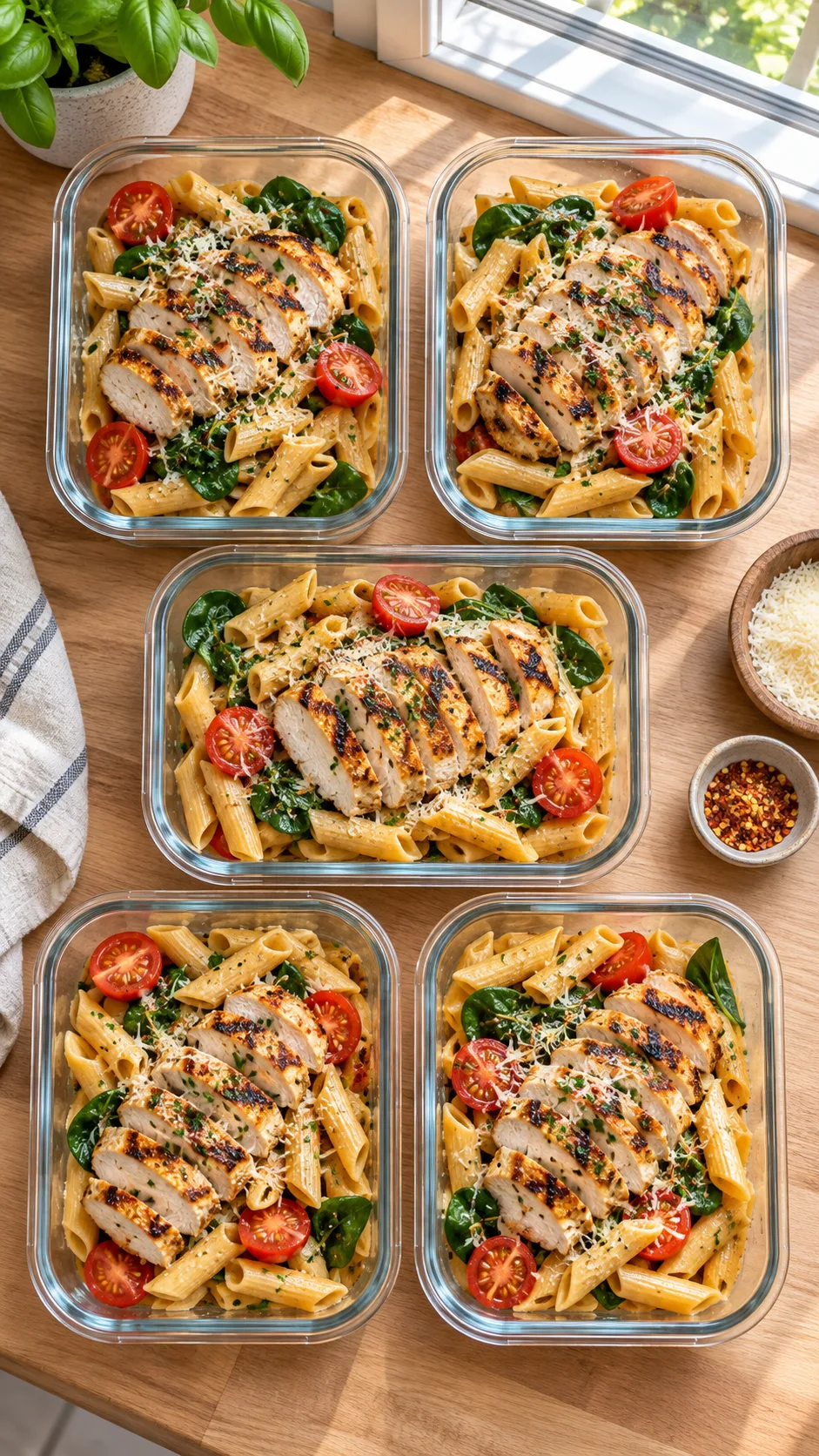
Plain pasta with sauce gives you carbs and not much else. This guide shows you how to build high protein pasta meal prep that keeps you satisfied from Monday through Friday, without turning your fridge into a sad chicken and rice museum.
Why most pasta meal prep leaves you hungry
A standard serving of regular dry pasta (2 ounces, or 56 g) has about 7 g of protein. Add a few spoonfuls of marinara and you land around 9 or 10 g. That’s a snack, not a meal.
Four things usually go wrong:
- You use too little protein. Most people eyeball a sprinkle of meat and call it done.
- You skip the fiber. Refined pasta digests fast, and your hunger comes back just as fast.
- You leave out fat and juicy vegetables. A dry bowl with barely any sauce never feels like a real meal.
- You overcook on Sunday. Mushy pasta on Thursday sends you to the takeout app. I’ve tested that theory more than once.
A few swaps fix all four. You do not need a nutrition degree or a $90 jar of powder.
The protein math: how much do you need?
Aim for 30 to 40 grams per meal
The recommended dietary allowance sits at 0.8 grams of protein per kilogram of body weight per day. According to Harvard’s Nutrition Source, that number prevents deficiency. It does not necessarily optimize fullness, muscle maintenance, or body composition.
Sports nutrition guidance commonly spreads protein across meals, at roughly 25 to 40 g per sitting, for better satiety and muscle support. That’s the range I aim for in every prepped pasta box. Your needs may differ, so check with a registered dietitian if you have kidney issues or another medical condition.
Why protein keeps you full
Ever wondered why a chicken breast holds you longer than a bagel? Protein slows digestion and nudges the hormones that tell your brain you’ve eaten. It is the most filling macronutrient, and satiety studies keep finding the same thing.
Pair it with fiber and some fat, and you get a meal that lasts four or five hours instead of ninety minutes.
Step one: choose a higher protein pasta
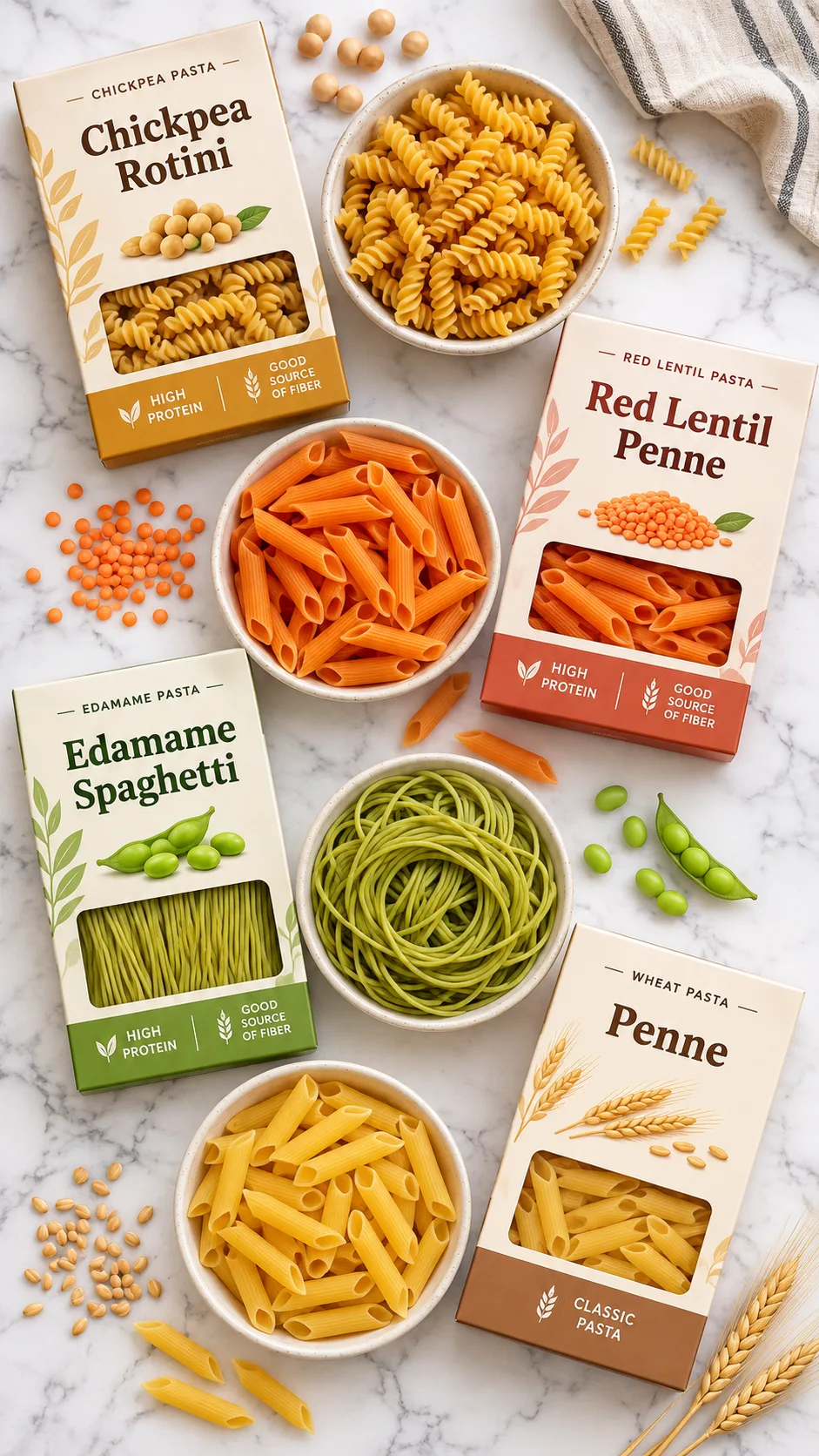
The easiest upgrade happens before you cook anything. Swap your base and you add 5 to 15 g of protein for free. This list compares the common options per 2-ounce dry serving (check the label, since brands vary):
- Regular wheat pasta has about 7 g of protein. It tastes fine, but it needs backup.
- Protein enriched wheat pasta has around 10 g, and the texture stays close to the classic.
- Chickpea pasta has roughly 11 to 14 g, plus extra fiber.
- Red lentil pasta has around 13 to 14 g. It cooks fast, so watch the timer.
- Edamame or black bean pasta reaches 20 g or more on some labels, with a distinct earthy taste.
My pick for meal prep is chickpea pasta. It holds its shape better than lentil pasta after reheating. In my experience, lentil pasta tastes great fresh and turns a bit soft by day four.
Cook it al dente, then stop
Pull your pasta 1 to 2 minutes before the package time. It keeps softening in the fridge and again in the microwave. If you plan to eat it cold, rinse it briefly under cool water. Toss it with a teaspoon of olive oil so it doesn’t weld into one giant noodle brick.
Step two: load up on protein sources
Pick one main protein. If you want a serious fullness boost, add a second one. These work well in batch cooking.
Animal protein options
- Chicken breast has about 31 g per 100 g cooked. It’s the classic for a reason.
- Lean ground turkey (93%) has roughly 20 to 25 g per 100 g cooked, and it soaks up sauce beautifully.
- Canned tuna or salmon has 20 g or more per can, and you do not have to cook it.
- Shrimp has about 20 g per 3 ounces, but it reheats badly. Eat your shrimp boxes first.
- Cottage cheese or Greek yogurt blends into sauce for a creamy, protein heavy base.
Plant protein options
- Lentils and white beans have about 9 g per half cup cooked, plus plenty of fiber.
- Firm tofu crumbles and browns like ground meat.
- Edamame goes in frozen and thaws as you reheat.
- Crumbled tempeh tastes nutty and firm, and it works well in tomato sauces.
Need more ideas for building a week around these ingredients? Our guide to high protein meal prep recipes covers plenty of combinations that pair well with pasta.
Step three: add fiber and fat for staying power
Protein does the heavy lifting, but fiber and healthy fat finish the job. Together the three make up your fullness trio.
Fiber boosters
Stir in spinach, roasted broccoli, zucchini, mushrooms, or peppers. Spinach wilts into hot sauce with no extra effort. Frozen vegetables work perfectly here, and nobody hands out medals for chopping everything fresh.
Smart fats
A tablespoon of olive oil, a spoonful of pesto, a sprinkle of feta, or a few olives makes the bowl taste like a restaurant dish. Fat also slows digestion, which extends that satisfied feeling. Measure it, because fat adds calories fast.
A small bonus from cooled pasta
When you cook starchy foods like pasta and then chill them, some of the starch turns into resistant starch, which your body digests more slowly. The effect is modest, so don’t expect miracles. Your meal prep gets it for free anyway.
3 high protein pasta meal prep recipes (4 servings each)
These recipes use simple ingredients and a single big pot or pan. Treat the protein numbers as estimates, since brands vary.
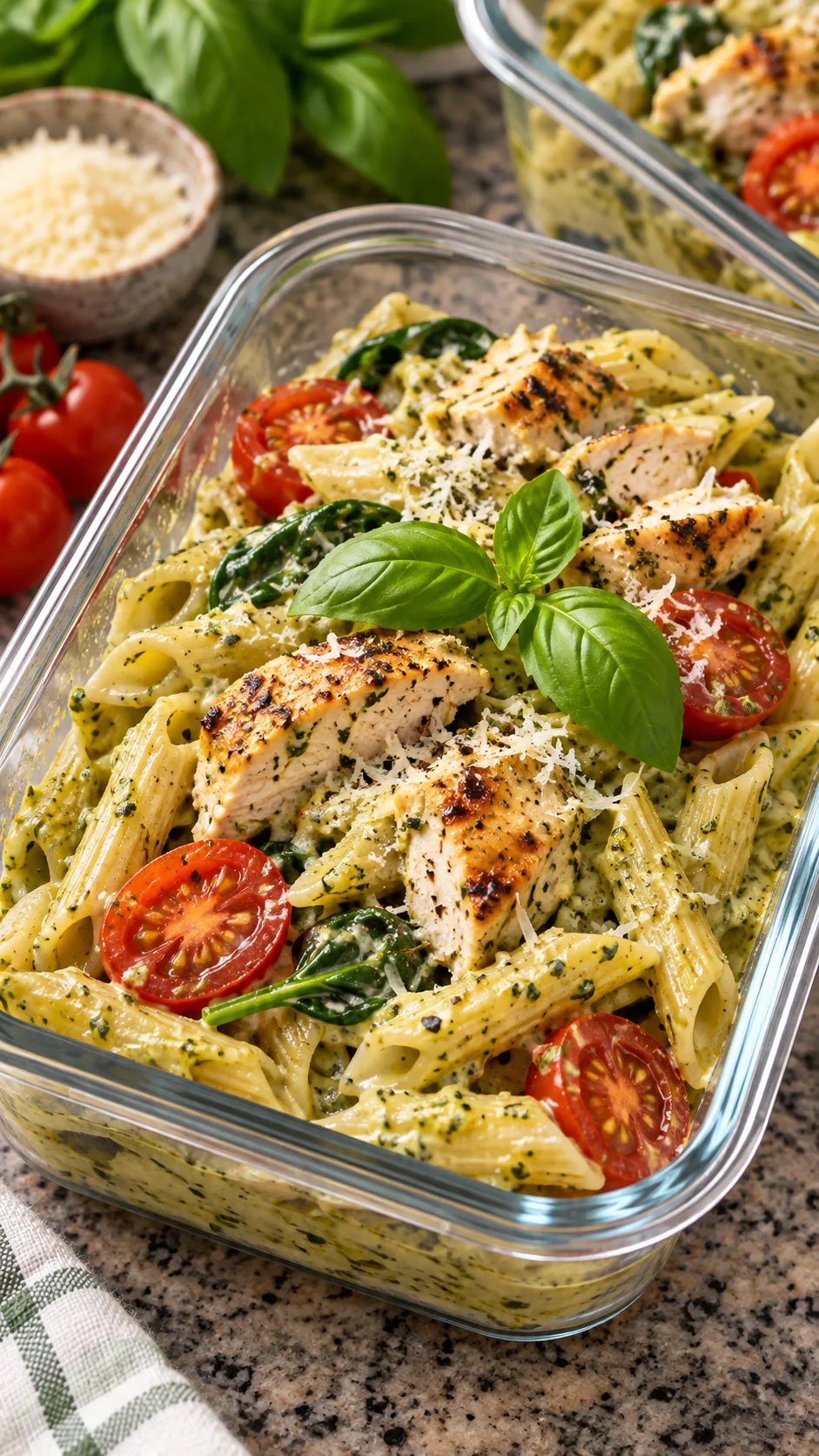
1. Creamy cottage cheese pesto chicken pasta (about 45 g protein per serving)
- 8 oz (225 g) chickpea or protein pasta, dry
- 1 lb (450 g) chicken breast, diced and seared
- 1 cup cottage cheese, blended smooth
- 4 tablespoons basil pesto
- 3 cups baby spinach
- 1 cup cherry tomatoes, halved
Blend the cottage cheese and pesto into a creamy sauce. Toss it with the warm pasta, chicken, and spinach. Skeptical about cottage cheese? I was too, until I tasted it. Blended, it turns into a rich sauce like Alfredo, and you can’t find the curds.
2. Turkey bolognese with red lentil pasta (about 40 g protein per serving)
- 8 oz red lentil pasta, dry
- 1 lb 93% lean ground turkey
- 2 cups marinara sauce (check for low added sugar)
- 1 grated zucchini
- 1 diced onion and 3 garlic cloves
Brown the turkey with the onion and garlic. Add the zucchini and marinara, and simmer for 15 minutes. Cook the pasta separately and store it apart from the sauce if you can. This one freezes beautifully, so make a double batch.
3. Cold Mediterranean tuna chickpea pasta salad (about 38 g protein per serving)
- 8 oz chickpea pasta, dry
- 3 cans tuna in water, drained
- 1 can chickpeas, rinsed
- 1 diced cucumber and 1 cup cherry tomatoes
- 1/3 cup crumbled feta
- Lemon juice, olive oil, oregano, salt, and pepper
Toss everything together and chill. This one tastes better on day two once the flavors settle in. It also works at your desk without a microwave, which your coworkers will appreciate.
Want more lunch options like this one? Check out our high protein lunch meal prep ideas.
Watch it in action
If you learn better by watching, this video walks through a full week of pasta prep from shopping to storage:
The Sunday prep method (about 60 minutes)
Efficiency matters more than fancy recipes. I follow this order every week:
- Start the protein first. Roast or sear your chicken or turkey while you do everything else.
- Boil the pasta water, then cook the pasta 1 to 2 minutes under the package time.
- Make the sauce. Blend, simmer, or whisk while the pasta cooks.
- Prep the vegetables. Roast them on a sheet pan, or just grab the frozen bag.
- Cool everything fast. Spread the food out on a tray for 10 to 15 minutes before boxing.
- Portion and label. Use a kitchen scale, and write the date on each container.
Looking for a full lineup for the week? Pair this method with our 7-day high protein meal plan so you never wonder what’s for dinner.
Storage and reheating: keep it safe and tasty
The USDA’s Food Safety and Inspection Service says leftovers stay safe in the fridge for 3 to 4 days and should reach 165°F (74°C) when you reheat them. That timeline changes how you plan your week.
The two batch strategy
- Keep your Monday to Wednesday meals in the fridge.
- Freeze your Thursday and Friday meals right after cooling, then move them to the fridge the night before you eat them.
Reheating tips that save your pasta
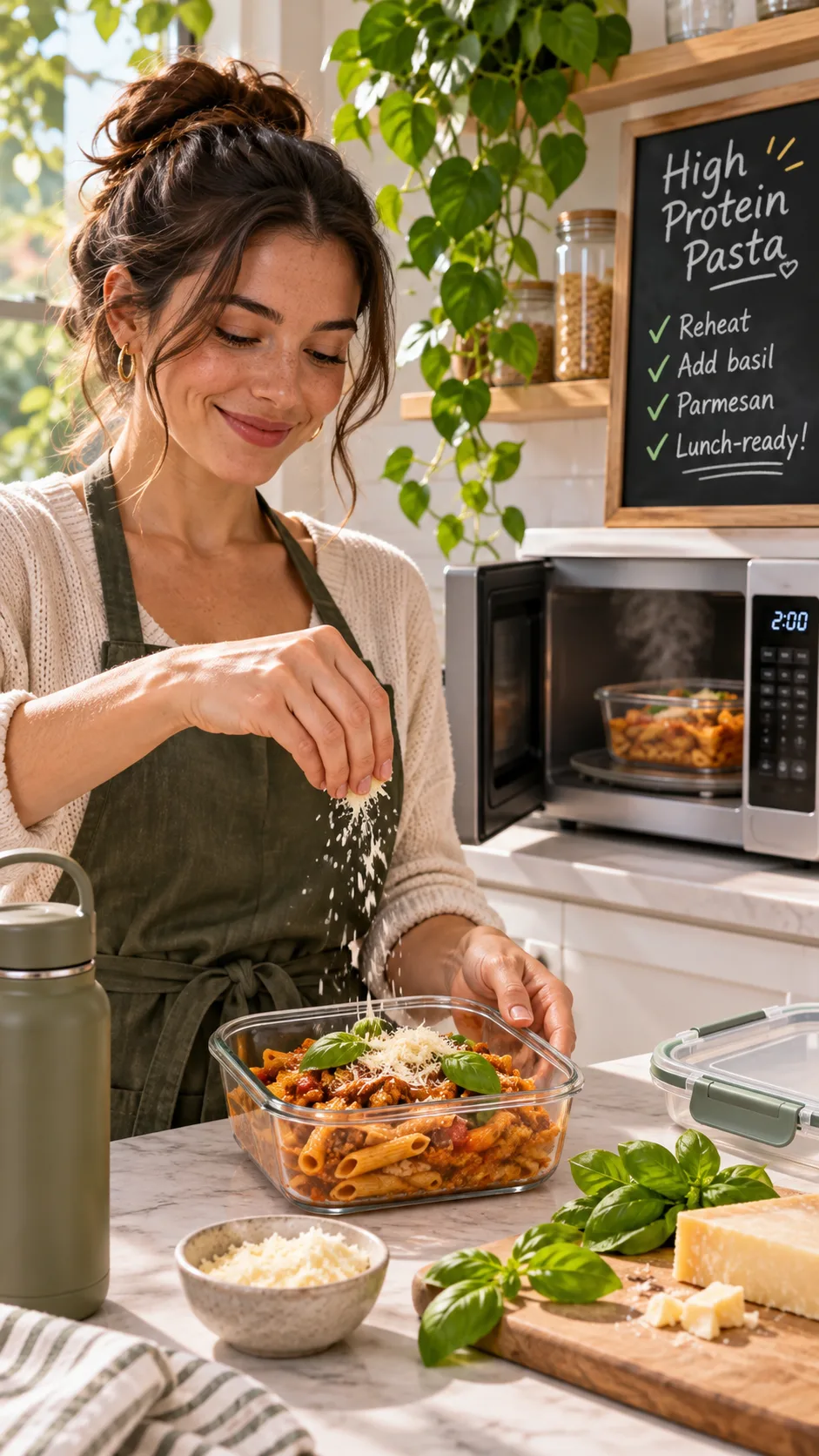
- Add a splash of water or broth before microwaving to loosen the sauce.
- Stir halfway through so the center heats evenly.
- Keep fresh toppings like feta, basil, and lemon juice separate until you eat.
- Reheat creamy sauces at 50% power so they don’t split.
Glass containers also reheat more evenly than plastic, and they don’t hold onto garlic smells for three months.
Common mistakes that wreck your prep
I’ve made every one of these, so learn from my questionable lunches.
- Skipping the scale. Eyeballing portions usually shorts your protein by 10 g or more.
- Drowning pasta in sauce on day one. Noodles absorb liquid, so go lighter and add more when you reheat.
- Eating the same flavor all week. Rotate two or three recipes, because boredom kills more meal preps than time does.
- Ignoring calories entirely. High protein doesn’t mean unlimited cheese. If you’re watching your intake, our high protein low calorie meal prep guide shows you how to keep portions in check.
- Forgetting a crunchy element. Add toasted nuts or seeds fresh, because texture keeps a repeated meal interesting.
Quick answers to common questions
Is pasta okay on a high protein diet?
Yes. Pasta works fine when you build the meal around protein and vegetables instead of a giant pile of noodles. Use a 2-ounce dry portion as the base, not the star.
Can I meal prep pasta for five days?
Yes, with a catch. Keep it in the fridge for the first three or four days and freeze the rest, following the USDA guidance above.
Do I need protein powder?
No. Cottage cheese, Greek yogurt, beans, and lean meat cover your protein without any chalky aftertaste.
How do I check nutrition numbers?
Read your package labels, and look up unlabeled ingredients in the USDA FoodData Central database. It’s free and reliable.
The bottom line
High protein pasta meal prep isn’t complicated. Choose a higher protein pasta, add 30 to 40 g of real protein, pile on fiber, and include a little healthy fat. Cook your noodles al dente, store them with care, and freeze the back half of the week.
If you want more variety beyond pasta, our healthy pasta meal prep ideas give you plenty of options to rotate. Pick one recipe above, shop for it today, and cook it this weekend. Your Wednesday afternoon self will thank you, and your snack drawer will finally get some rest.