

Your doctor says “watch your kidneys,” and suddenly every food feels like a trap. You search online, find ten conflicting lists, and end up eating plain rice out of fear. Sound familiar?
A kidney-friendly diet doesn’t have to taste like punishment. Most people make the same handful of mistakes, though, and some of them quietly work against the kidneys. Below you’ll find what goes wrong, why it matters, and what to put on your plate instead.
Quick note: This article gives general education, not personal medical advice. Your stage of chronic kidney disease (CKD) and your lab results change the rules, and so do your medications. Work with your nephrologist and a renal dietitian to get your exact numbers.
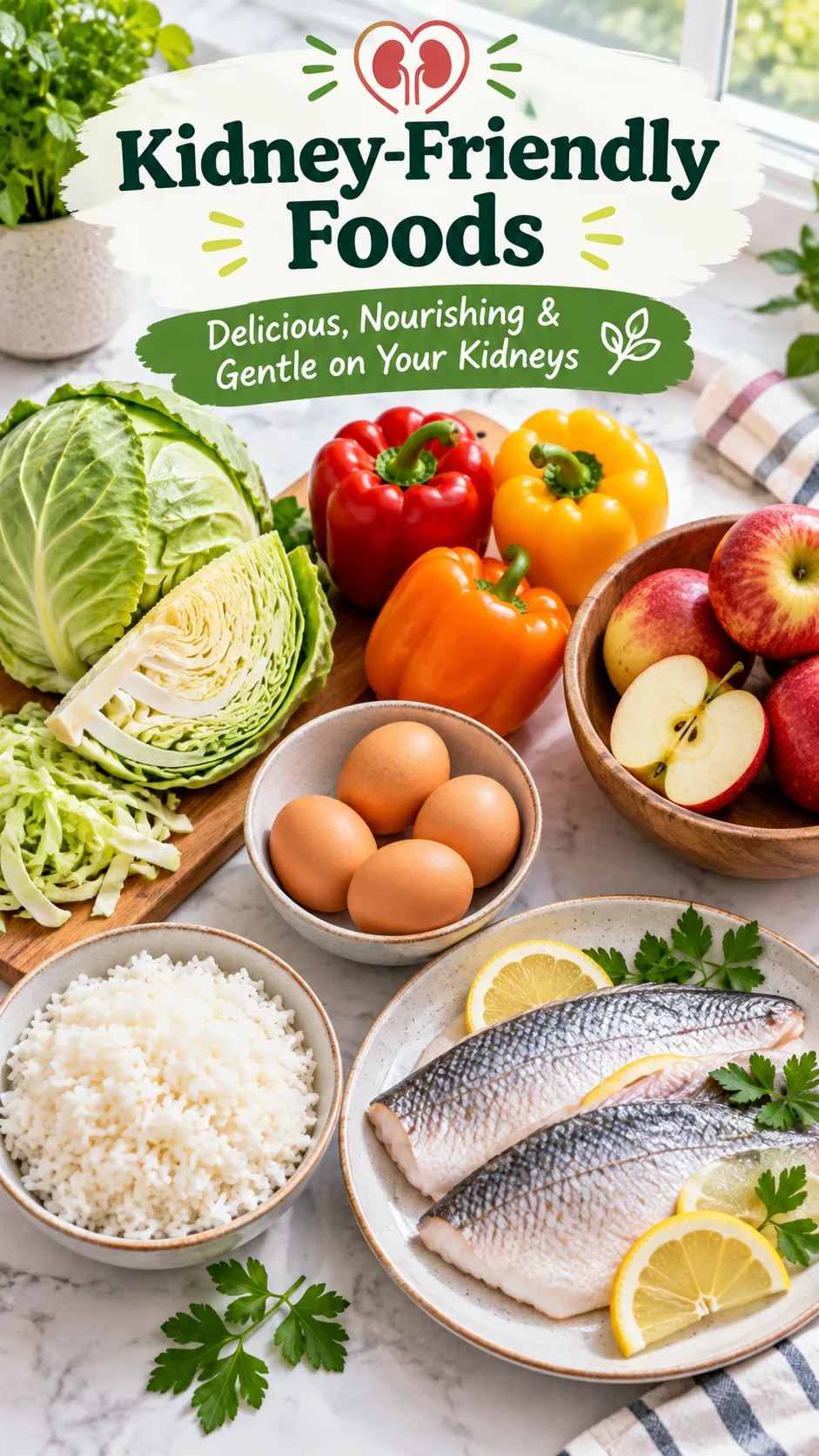
Why most kidney diet advice falls flat
Your kidneys filter waste and balance minerals and fluid. When they slow down, certain nutrients build up in your blood. That’s why people talk about limiting sodium, potassium, phosphorus, and sometimes protein.
Here’s the catch: not everyone needs to limit all of them. A person in early-stage CKD eats very differently from someone on dialysis. Yet generic “kidney diet” lists give everybody the same advice.
That habit of treating every patient alike causes most of the mistakes below.
Mistake #1: Cutting potassium and phosphorus without checking your labs
This one tops the list. Someone reads that potassium is “bad for kidneys,” then bans bananas, tomatoes, and potatoes forever.
But you only need to restrict potassium when your blood levels run high. Many people with early CKD have perfectly normal potassium. Cutting out fruits and vegetables for no reason can leave you short on fiber and vitamins, and it can make constipation worse.
The same logic applies to phosphorus. Your blood test tells you whether you need to act, so ask for your numbers at every appointment.
What to do instead
- Ask your care team for your latest potassium, phosphorus, and eGFR results.
- Restrict only what your labs flag. Don’t guess.
- Recheck regularly. Your needs shift as your kidney function changes.
Mistake #2: Swapping table salt for “healthy” salt substitutes
You know you need to cut sodium, so you grab a salt substitute. That sounds smart, but it can backfire.
Many salt substitutes replace sodium with potassium chloride. If your kidneys already struggle to clear potassium, that swap can push your levels into a danger zone, and heart rhythm problems can follow.
Sodium still matters, though. Guidelines from KDIGO, the global kidney guideline group, suggest keeping sodium under about 2,000 mg a day for most adults with CKD. That equals roughly one teaspoon of table salt, total, from all sources.
Where the salt really hides
Your salt shaker isn’t the main culprit. Processed and packaged foods deliver most of your sodium. In many kitchens, seasoning cubes and powders add up fast too.
- Instant noodles and canned soups
- Seasoning cubes and bouillon powders
- Processed meats, sausages, and corned beef
- Pickles, sauces, and fast food
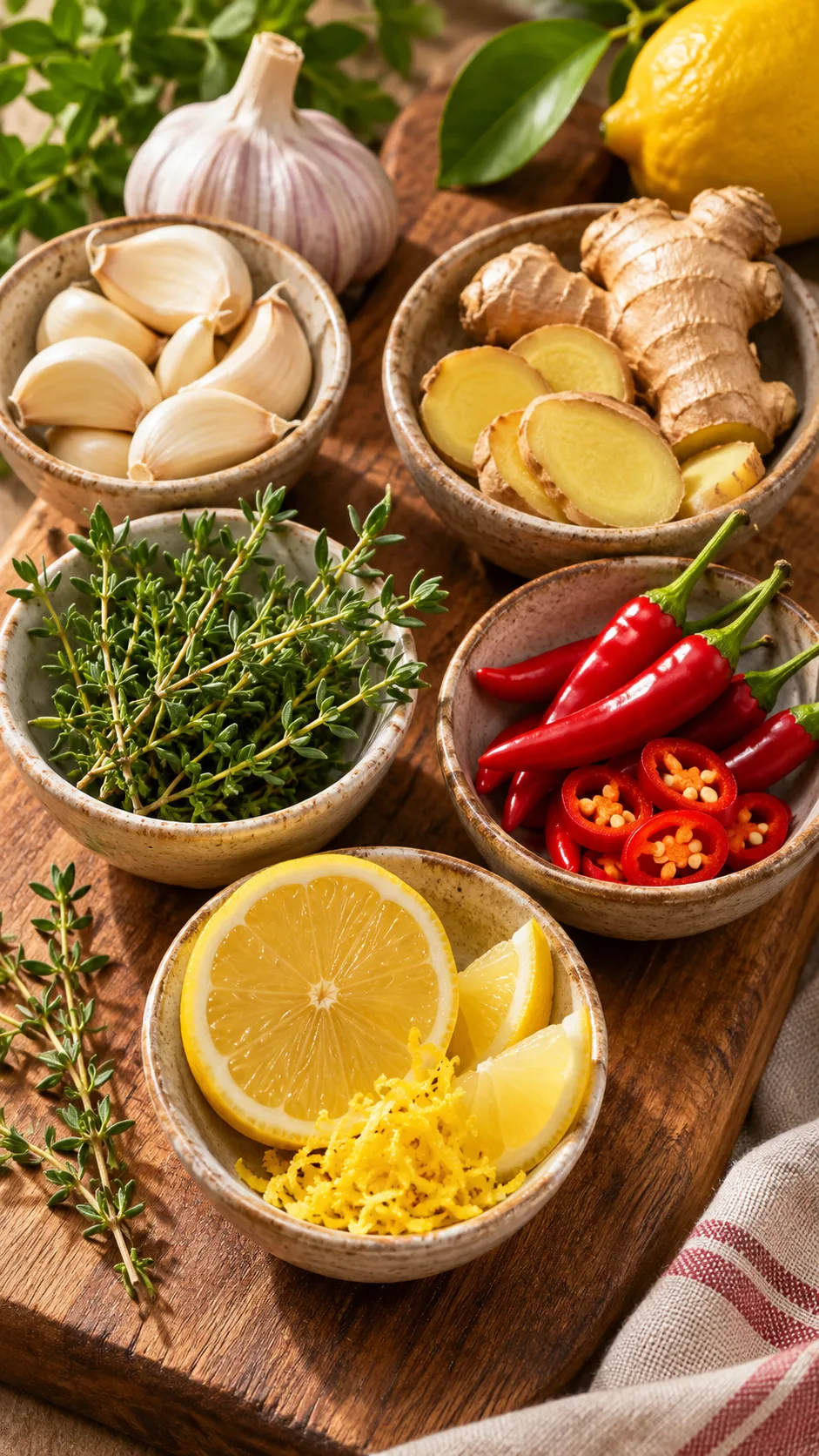
Season with garlic, ginger, onions, fresh pepper, thyme, curry powder, lemon juice, and herbs instead. Your taste buds adapt in a few weeks. I’d call it the most underrated kidney-friendly trick there is.
Mistake #3: Getting protein wrong (too much or too little)
Protein confuses almost everyone. Bodybuilders chase it, and kidney patients fear it. Who’s right?
Both can go wrong. If you have CKD and don’t use dialysis, eating excess protein makes your kidneys work harder. Current KDIGO guidance suggests aiming for around 0.8 grams per kilogram of body weight per day for many adults with advanced CKD.
If you do use dialysis, the story flips. Dialysis strips protein from your body, so most people need more, often 1.0 to 1.2 grams per kilogram. Cutting back at that stage can cause muscle loss and weakness.
The high-protein diet trap
Trends make this worse. If you’ve considered a meat-heavy plan, read our carnivore diet meal plan guide first, then talk to your nephrologist before you try anything like it. Heavy animal protein loads and kidney disease rarely mix well.
What to do instead
- Ask for your personal protein target in grams per day.
- Spread protein across meals instead of piling it into dinner.
- Choose quality sources such as eggs, fish, skinless poultry, beans, and lentils, in portions your dietitian approves.
Mistake #4: Ignoring hidden phosphorus additives
This one is sneaky. Your body absorbs phosphorus additives in processed foods far more efficiently than the natural phosphorus in whole foods. The National Kidney Foundation notes that you absorb up to about 90% of additive phosphorus, compared with roughly 40 to 60% from natural sources.
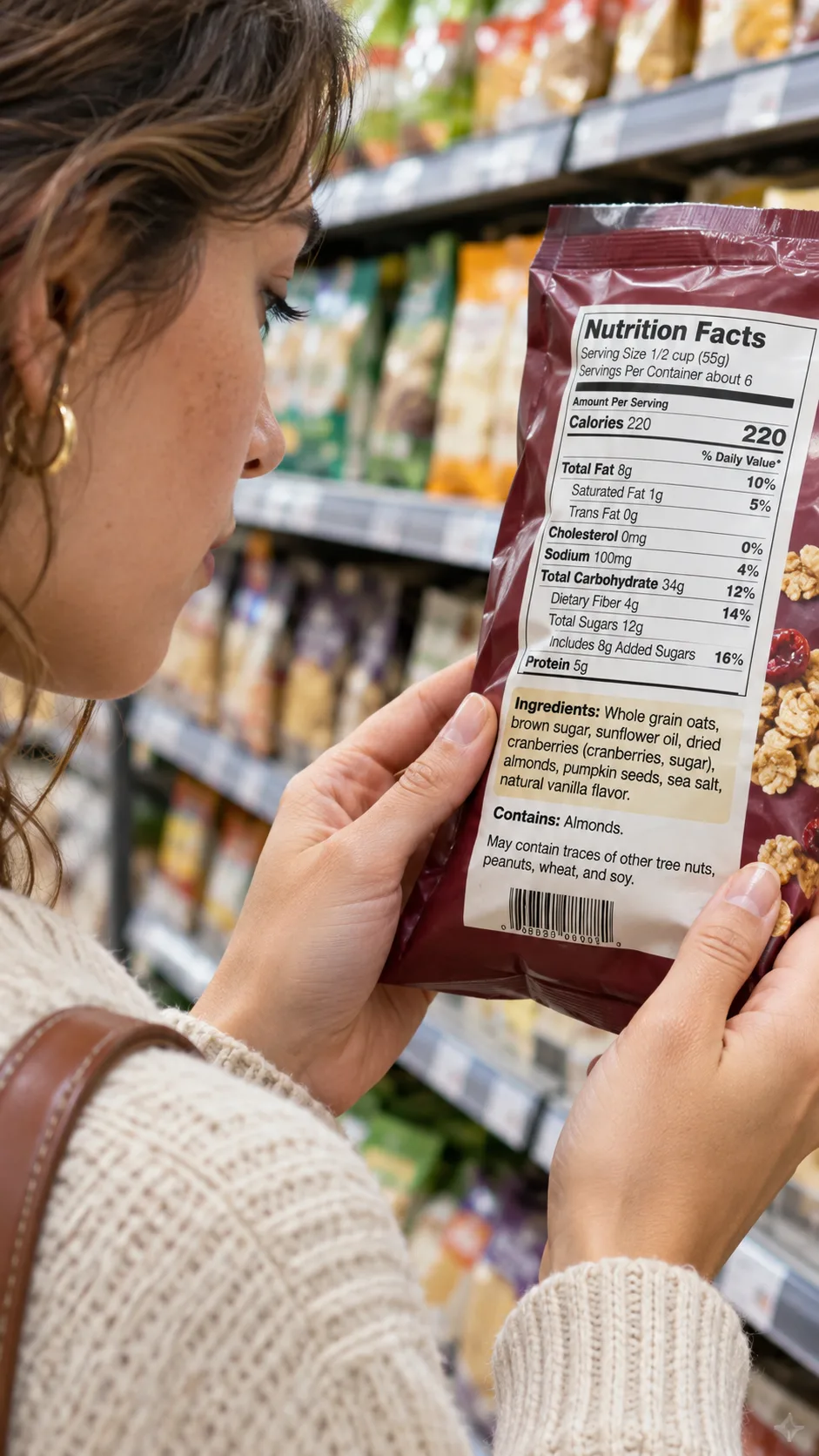
Food labels rarely shout about it. You have to look for ingredients with “phos” in the name, such as sodium phosphate or phosphoric acid.
Common offenders
- Dark colas (phosphoric acid)
- Processed and deli meats
- Packaged baked goods and mixes
- Processed cheese and some frozen meals
- Some bottled iced teas and flavored drinks
The fix costs nothing: read ingredient lists and cook more from scratch. The National Kidney Foundation offers free guides to spotting these additives.
Mistake #5: Fearing every plant food
Many people hear “limit potassium” and ditch all vegetables. That’s a big misstep.
Research shows that eating more plants can protect kidney health. It often lowers blood pressure, reduces acid load, and supplies fiber. Choose the right plants and prepare them with care.
Lower-potassium produce you can usually enjoy
- Cabbage, cauliflower, cucumber, and onions
- Bell peppers and green beans
- Apples, berries, grapes, and pineapple
- Garlic, radishes, and lettuce
Higher-potassium foods to portion carefully (if your labs say so)
- Bananas, oranges, and avocados
- Potatoes, yams, and plantains
- Tomato paste and tomato sauce
- Spinach and other cooked leafy greens
- Dried fruit and coconut water
Notice the word portion. You rarely have to ban a food. A small serving of yam fits very differently into your day than a mountain of it.
The leaching trick
Want to keep a high-potassium veggie on your plate? Leaching pulls out some of the mineral. Peel the vegetable and slice it thin, soak it in warm water for a few hours, rinse it, then boil it in fresh water and discard that water.
It won’t make a food potassium-free. It does make a small portion safer, so check with your dietitian before you rely on it.
If you love Nigerian soups, you don’t need to quit them. Browse our Nigerian vegetable soup recipe ideas, then adjust the leafy greens, portions, and seasoning cubes to match your labs. Cook the soup with less salt and more fresh pepper and onions.
Mistake #6: Getting fluids wrong
“Drink eight glasses a day” doesn’t apply to everyone. Neither does “restrict fluids.”
In early CKD, most people don’t need to limit fluids and benefit from staying well hydrated. In advanced CKD or dialysis, or when swelling and heart failure show up, your team may cap your daily intake. That limit includes soups, ice, tea, and anything liquid at room temperature.
So who sets your number? Your nephrologist does, based on your urine output, swelling, and blood pressure. Don’t copy a friend’s limit.
Mistake #7: Trusting detox teas, herbal supplements, and painkillers
Walk into any market and you’ll find “kidney cleanse” teas and herbal bitters promising miracles. The joke is that your kidneys already cleanse your blood around the clock, and they don’t need a tea to do it.
Worse, some herbal products contain ingredients that damage kidneys or carry unlisted extras. Even “natural” supplements can carry heavy potassium loads or interact with your medicines. Our breakdown of detox diet mistakes explains why these products rarely deliver what they promise.
Watch your painkillers too
Over-the-counter NSAIDs like ibuprofen and naproxen can harm kidneys, especially with long-term use. The National Institute of Diabetes and Digestive and Kidney Diseases advises people with kidney disease to check with their provider before taking them. Ask before you add any pill, powder, or tonic.

What to eat instead: a kidney-friendly day
This sample day suits many people with early to moderate CKD, but your dietitian will tweak it for your labs.
Breakfast
- Scrambled egg with onions and bell peppers, cooked in olive oil
- A slice of white or sourdough bread
- A small apple or a handful of berries
Lunch
- Cabbage and cucumber salad with olive oil and lemon
- A palm-sized portion of grilled fish or chicken
- A modest scoop of white rice
Dinner
- Stir-fried green beans, garlic, and cauliflower
- A small serving of lean protein your dietitian approves
- Pasta or rice seasoned with herbs, not stock cubes
Snacks
- Unsalted popcorn
- Grapes or pineapple chunks
- Homemade rice cakes with a little unsalted spread
Nothing on that list is exotic. Kidney-friendly eating mostly means ordinary food, cooked at home, with less salt and smarter portions.
Watch: a dietitian explains the basics
Sometimes a visual walkthrough helps more than a list. This video covers the fundamentals of eating with kidney disease.
Make it easy: plan, prep, repeat
Kidney-friendly eating falls apart when you’re tired and hungry at 7 p.m. That’s when the instant noodles come out. So prepare before the chaos hits.
Batch-cook plain proteins and low-potassium veggies on a weekend, then season each meal fresh. Our weekly meal prep blueprint shows exactly how to set that up without spending your whole Sunday in the kitchen.
Five habits that make it stick
- Keep a food and lab journal. Link what you eat to your results.
- Shop the perimeter. Fresh foods usually carry fewer additives.
- Rinse canned beans and vegetables. It trims sodium noticeably.
- Cook in batches, then freeze portions.
- Book a renal dietitian visit. One session often saves months of guessing.
Common questions about the kidney diet
Can diet reverse kidney damage?
Usually not. Lost kidney function rarely returns. But the right diet, along with blood pressure and blood sugar control, can slow progression and protect the function you still have.
Do I need to avoid all red meat?
Not necessarily. Portion size and your protein target matter more than a total ban. Plant proteins and fish often give you extra benefits, though, and many people find that swapping a few red meat meals is easy.
Is a low-carb or keto plan safe for CKD?
It depends. High-fat, high-protein approaches can strain your kidneys and shift your electrolytes. If you’re curious about keto, run it past your nephrologist before you start. Don’t treat it as a casual experiment.
Where can I find reliable information?
Start with the CDC’s kidney disease resources, the NKF, and NIDDK. Skip anyone who sells a “kidney miracle” in a bottle.
The bottom line
Most kidney diet mistakes share one root: applying rules that don’t match your body. Cutting nutrients you don’t need to cut, trusting salt substitutes, ignoring phosphorus additives, and chasing detox products all backfire.
- Know your labs, then restrict only what they flag.
- Cut sodium with fresh herbs and spices, not potassium-based substitutes.
- Match protein to your stage, since dialysis changes the rules.
- Read labels for phosphorus additives.
- Keep plants on your plate and portion with care.
- Skip detox teas and check every supplement and painkiller first.
Your kidneys work hard for you every second of every day, so feed them well. Book that dietitian appointment this week, and take your latest lab results with you.